
 In terms of energy intensification, the intelligent power management system equipped on modern CNC machining center can reduce peak power consumption by 30%. Measured data from Japan's Sanger Company shows that its servo motor's automatic speed reduction function during no-load periods saves 8 kilowatt-hours of electricity per hour, with an annual electric-saving benefit of up to 25,000 US dollars. Meanwhile, the micro-lubrication technology was adopted to control the consumption of cutting fluid from 300 liters per month to 20 liters, reducing the cost of waste liquid treatment by 80%. These green manufacturing features reduce the enterprise's carbon footprint by 25%, in line with the latest EU eco-design Directive standards.
From the perspective of full life cycle cost analysis, the modular design of CNC machining centers has extended the major overhaul cycle to 40,000 hours. User tracking of German DMG Precision Machinery shows that the precision loss of its equipment does not exceed 0.01 millimeters after ten years of service, and the residual value rate still remains at 35%. Through the predictive maintenance system, the accuracy rate of early warning for spindle bearing replacement is as high as 95%, reducing the average annual downtime from 150 hours to 15 hours. This reliability helps automotive parts suppliers avoid the risk of approximately 800,000 US dollars in default compensation each year.
The intelligent integration of CNC machining centers is reshaping the production process. For instance, in the aerospace field, five-axis machining centers automatically adjust the feed rate through adaptive cutting technology, keeping the processing deformation of titanium alloy structural components within 0.02 millimeters. Loma's supply chain research shows that this technology has shortened the manufacturing cycle of the F-35 combat wing ribs by 60% and extended the tool life by three times. This digital twin-driven manufacturing model has reduced the traditional trial-and-error cost by 75% and accelerated the iteration of new product research and development.
In terms of energy intensification, the intelligent power management system equipped on modern CNC machining center can reduce peak power consumption by 30%. Measured data from Japan's Sanger Company shows that its servo motor's automatic speed reduction function during no-load periods saves 8 kilowatt-hours of electricity per hour, with an annual electric-saving benefit of up to 25,000 US dollars. Meanwhile, the micro-lubrication technology was adopted to control the consumption of cutting fluid from 300 liters per month to 20 liters, reducing the cost of waste liquid treatment by 80%. These green manufacturing features reduce the enterprise's carbon footprint by 25%, in line with the latest EU eco-design Directive standards.
From the perspective of full life cycle cost analysis, the modular design of CNC machining centers has extended the major overhaul cycle to 40,000 hours. User tracking of German DMG Precision Machinery shows that the precision loss of its equipment does not exceed 0.01 millimeters after ten years of service, and the residual value rate still remains at 35%. Through the predictive maintenance system, the accuracy rate of early warning for spindle bearing replacement is as high as 95%, reducing the average annual downtime from 150 hours to 15 hours. This reliability helps automotive parts suppliers avoid the risk of approximately 800,000 US dollars in default compensation each year.
The intelligent integration of CNC machining centers is reshaping the production process. For instance, in the aerospace field, five-axis machining centers automatically adjust the feed rate through adaptive cutting technology, keeping the processing deformation of titanium alloy structural components within 0.02 millimeters. Loma's supply chain research shows that this technology has shortened the manufacturing cycle of the F-35 combat wing ribs by 60% and extended the tool life by three times. This digital twin-driven manufacturing model has reduced the traditional trial-and-error cost by 75% and accelerated the iteration of new product research and development.
How does a cnc machining center improve production efficiency and cost-saving?
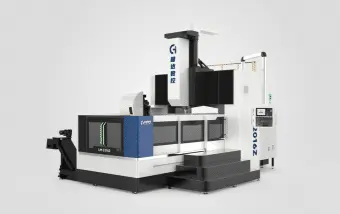
In terms of enhancing production efficiency, the CNC machining center reduces tool switching time to 1.5 seconds through an automated tool changing system, and in combination with high-speed linear motor drive, the feed rate reaches 60 meters per minute. Take the latest model of Fanuc as an example. The 120-position capacity tool magazine it is equipped with works in coordination with the zero-point positioning system, reducing the processing cycle of complex box parts from 8 hours on traditional machine tools to 2.5 hours, with an efficiency increase of over 300%. This high-speed processing capability is particularly evident in the mass production of automotive engine blocks. Data from Volkswagen's production line shows that after adopting flexible manufacturing units, the monthly production capacity of a single machine has exceeded 2,000 pieces, and labor costs have been reduced by 40%.
The precision control of CNC machining centers leads to significant savings in quality costs. The positioning accuracy is stabilized within 0.003 millimeters through laser calibration technology, and the temperature fluctuation is controlled within ±0.8 degrees Celsius by the spindle thermal deformation compensation system. The production report of medical device enterprise Medtronic indicates that this technology has increased the qualification rate of orthopedic implant products from 97.5% to 99.98%, reducing quality losses by approximately 1.2 million US dollars annually. What is more worthy of attention is that the real-time monitoring system based on the cloud platform can predict the wear status of cutting tools, reducing the probability of sudden downtime by 85%, and the overall equipment efficiency (OEE) remains above 90% continuously.
In terms of energy intensification, the intelligent power management system equipped on modern CNC machining center can reduce peak power consumption by 30%. Measured data from Japan's Sanger Company shows that its servo motor's automatic speed reduction function during no-load periods saves 8 kilowatt-hours of electricity per hour, with an annual electric-saving benefit of up to 25,000 US dollars. Meanwhile, the micro-lubrication technology was adopted to control the consumption of cutting fluid from 300 liters per month to 20 liters, reducing the cost of waste liquid treatment by 80%. These green manufacturing features reduce the enterprise's carbon footprint by 25%, in line with the latest EU eco-design Directive standards.
From the perspective of full life cycle cost analysis, the modular design of CNC machining centers has extended the major overhaul cycle to 40,000 hours. User tracking of German DMG Precision Machinery shows that the precision loss of its equipment does not exceed 0.01 millimeters after ten years of service, and the residual value rate still remains at 35%. Through the predictive maintenance system, the accuracy rate of early warning for spindle bearing replacement is as high as 95%, reducing the average annual downtime from 150 hours to 15 hours. This reliability helps automotive parts suppliers avoid the risk of approximately 800,000 US dollars in default compensation each year.
The intelligent integration of CNC machining centers is reshaping the production process. For instance, in the aerospace field, five-axis machining centers automatically adjust the feed rate through adaptive cutting technology, keeping the processing deformation of titanium alloy structural components within 0.02 millimeters. Loma's supply chain research shows that this technology has shortened the manufacturing cycle of the F-35 combat wing ribs by 60% and extended the tool life by three times. This digital twin-driven manufacturing model has reduced the traditional trial-and-error cost by 75% and accelerated the iteration of new product research and development.
In terms of energy intensification, the intelligent power management system equipped on modern CNC machining center can reduce peak power consumption by 30%. Measured data from Japan's Sanger Company shows that its servo motor's automatic speed reduction function during no-load periods saves 8 kilowatt-hours of electricity per hour, with an annual electric-saving benefit of up to 25,000 US dollars. Meanwhile, the micro-lubrication technology was adopted to control the consumption of cutting fluid from 300 liters per month to 20 liters, reducing the cost of waste liquid treatment by 80%. These green manufacturing features reduce the enterprise's carbon footprint by 25%, in line with the latest EU eco-design Directive standards.
From the perspective of full life cycle cost analysis, the modular design of CNC machining centers has extended the major overhaul cycle to 40,000 hours. User tracking of German DMG Precision Machinery shows that the precision loss of its equipment does not exceed 0.01 millimeters after ten years of service, and the residual value rate still remains at 35%. Through the predictive maintenance system, the accuracy rate of early warning for spindle bearing replacement is as high as 95%, reducing the average annual downtime from 150 hours to 15 hours. This reliability helps automotive parts suppliers avoid the risk of approximately 800,000 US dollars in default compensation each year.
The intelligent integration of CNC machining centers is reshaping the production process. For instance, in the aerospace field, five-axis machining centers automatically adjust the feed rate through adaptive cutting technology, keeping the processing deformation of titanium alloy structural components within 0.02 millimeters. Loma's supply chain research shows that this technology has shortened the manufacturing cycle of the F-35 combat wing ribs by 60% and extended the tool life by three times. This digital twin-driven manufacturing model has reduced the traditional trial-and-error cost by 75% and accelerated the iteration of new product research and development.